









The Sustainable City Yiti: Your Complete Guide to Freehold Ownership, Residency & Real Estate Investment in Oman (2026)
Every year, thousands of foreign investors search for a safe destination that combines freehold ownership, residency through property, and a rewarding investment return — and today, the Sultanate of Oman offers all of this in a stable, low-tax environment. At the heart of this opportunity stands The Sustainable City Yiti in Muscat, Oman's first fully sustainable city, which grants foreigners 100% freehold ownership with a pathway to residency in Oman. This guide covers, in detail, the freehold conditions for foreigners, the residency pathways, investment returns, unit prices, and the purchase steps through 2026.
What Is The Sustainable City Yiti?
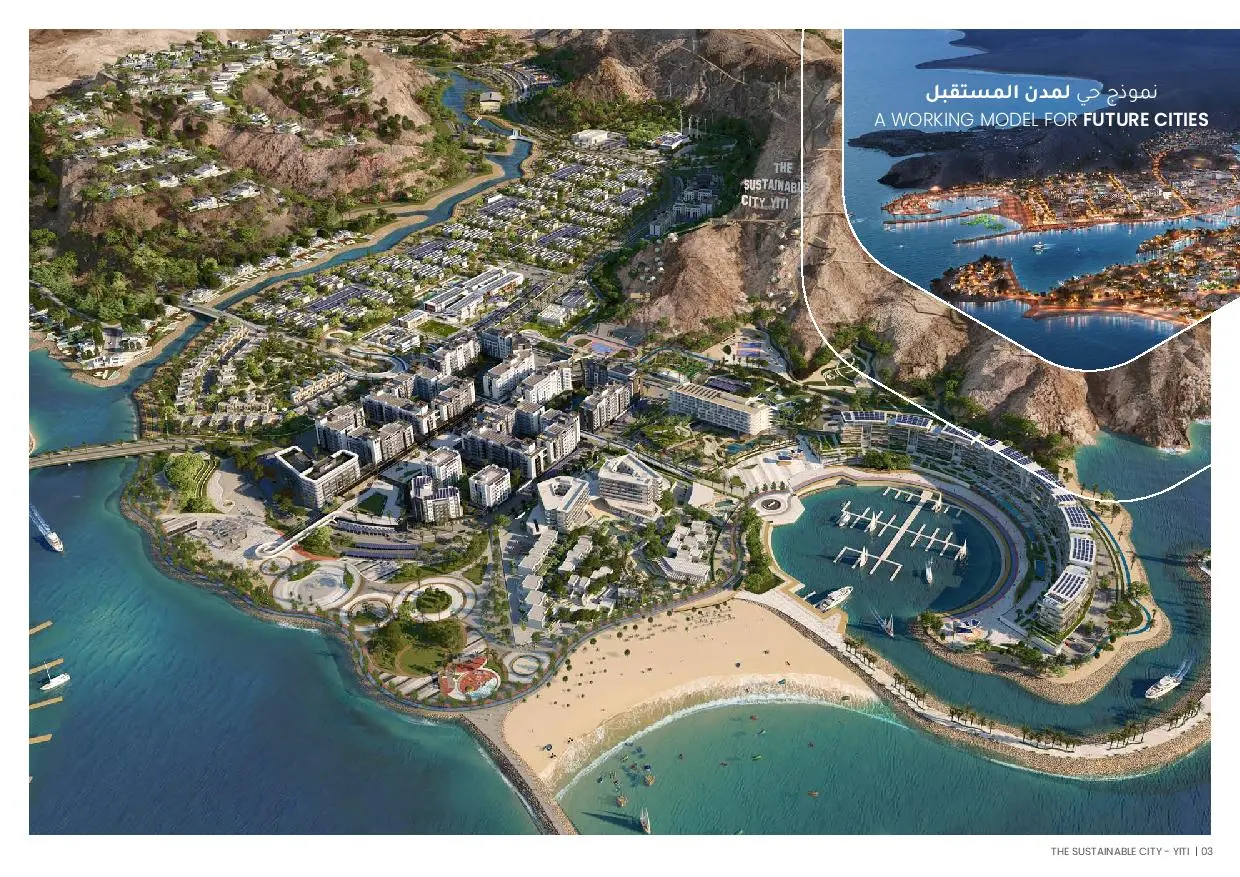
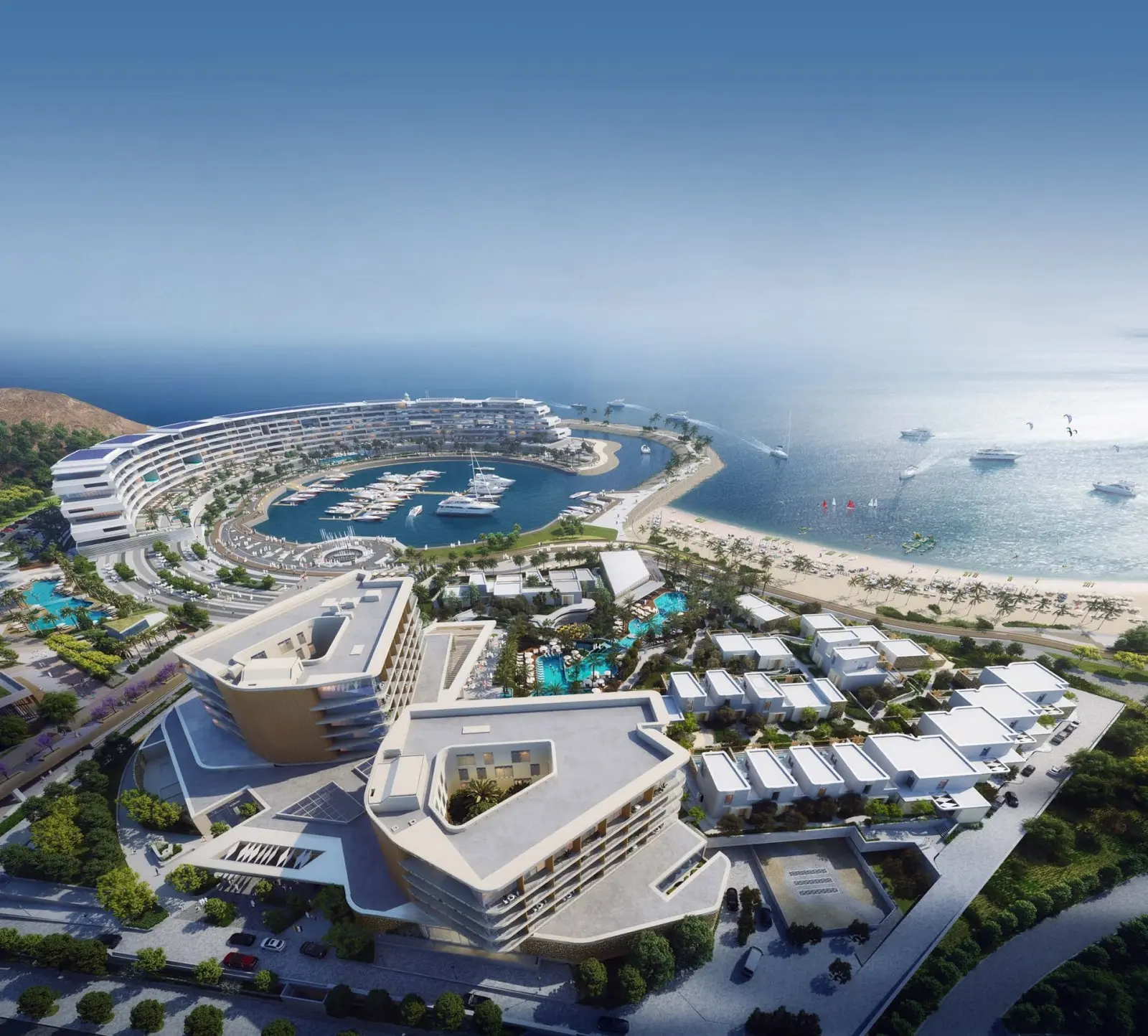
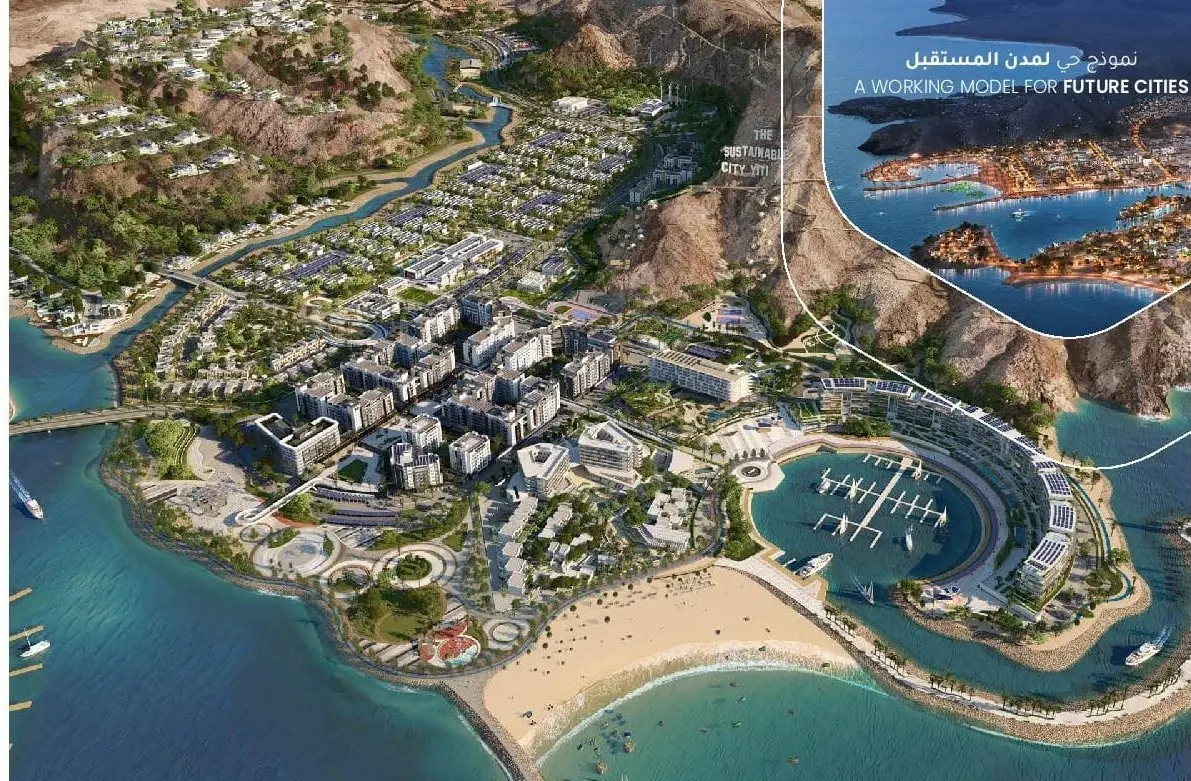
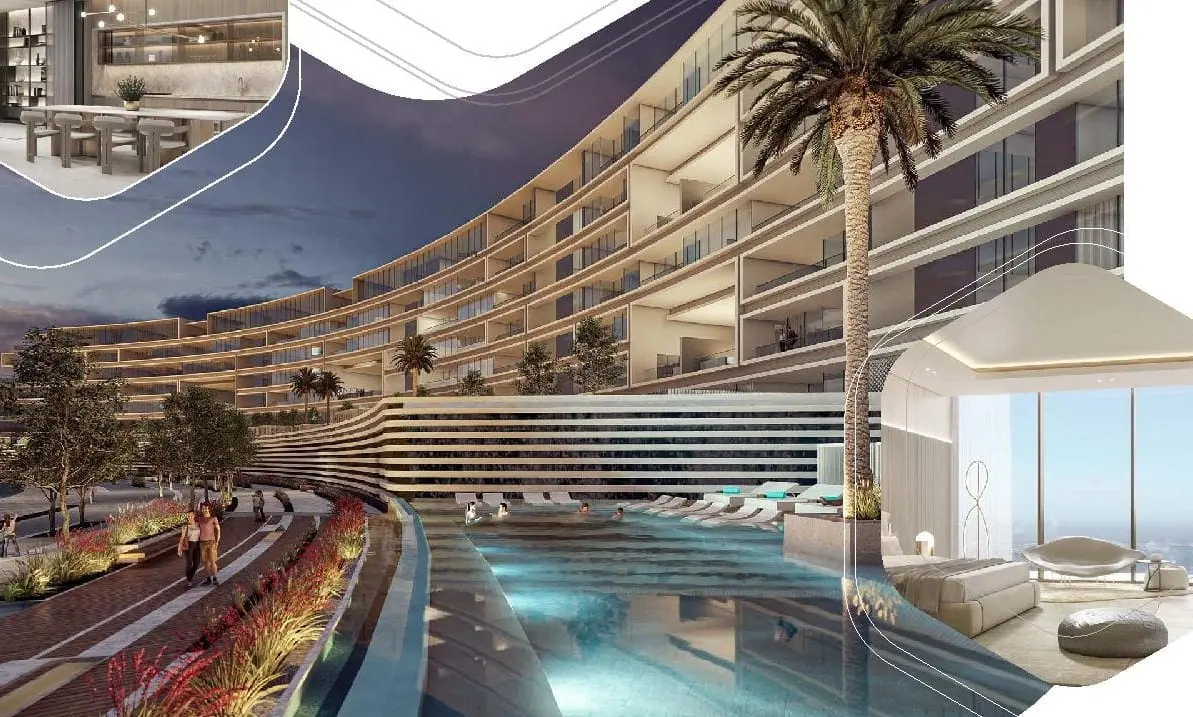
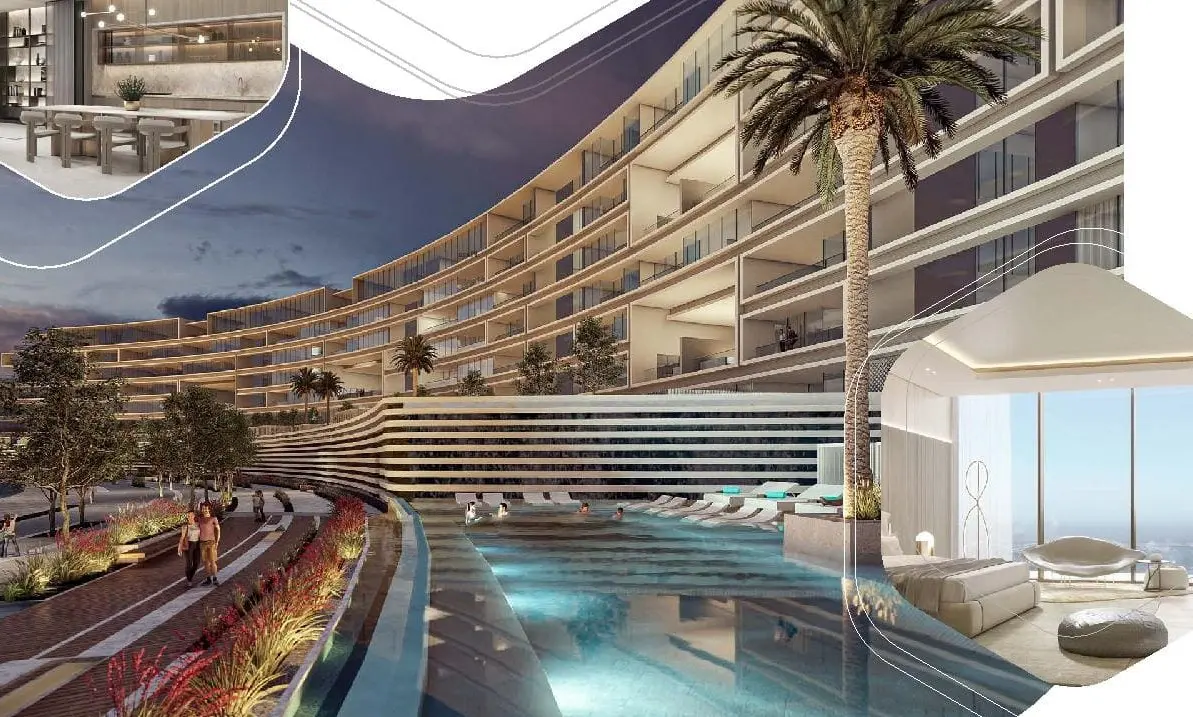
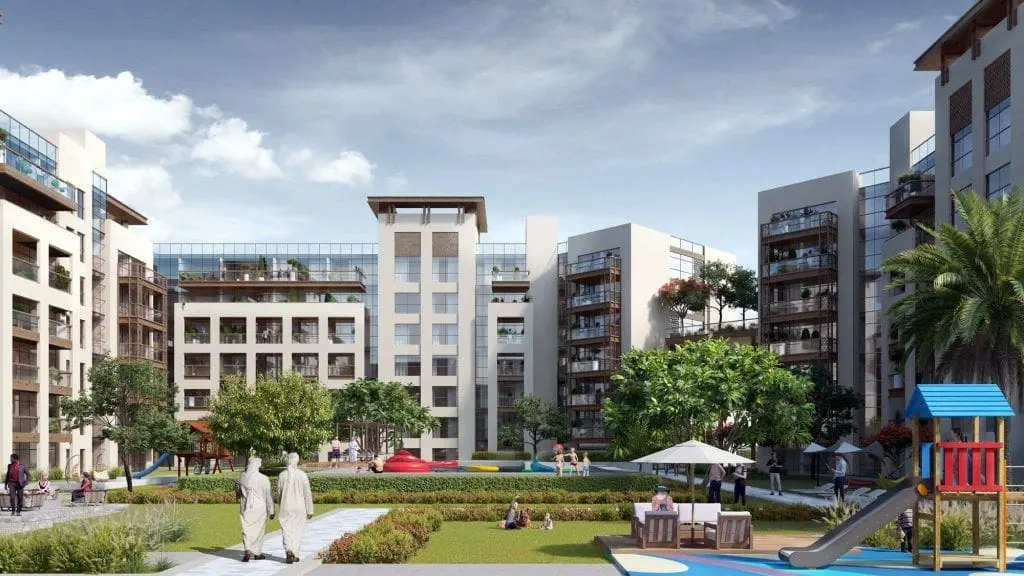
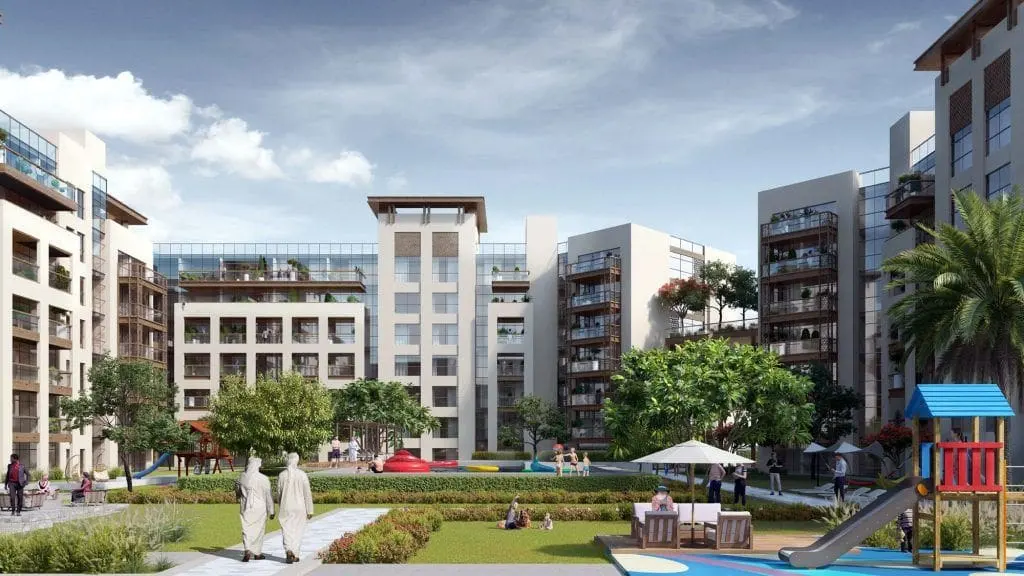
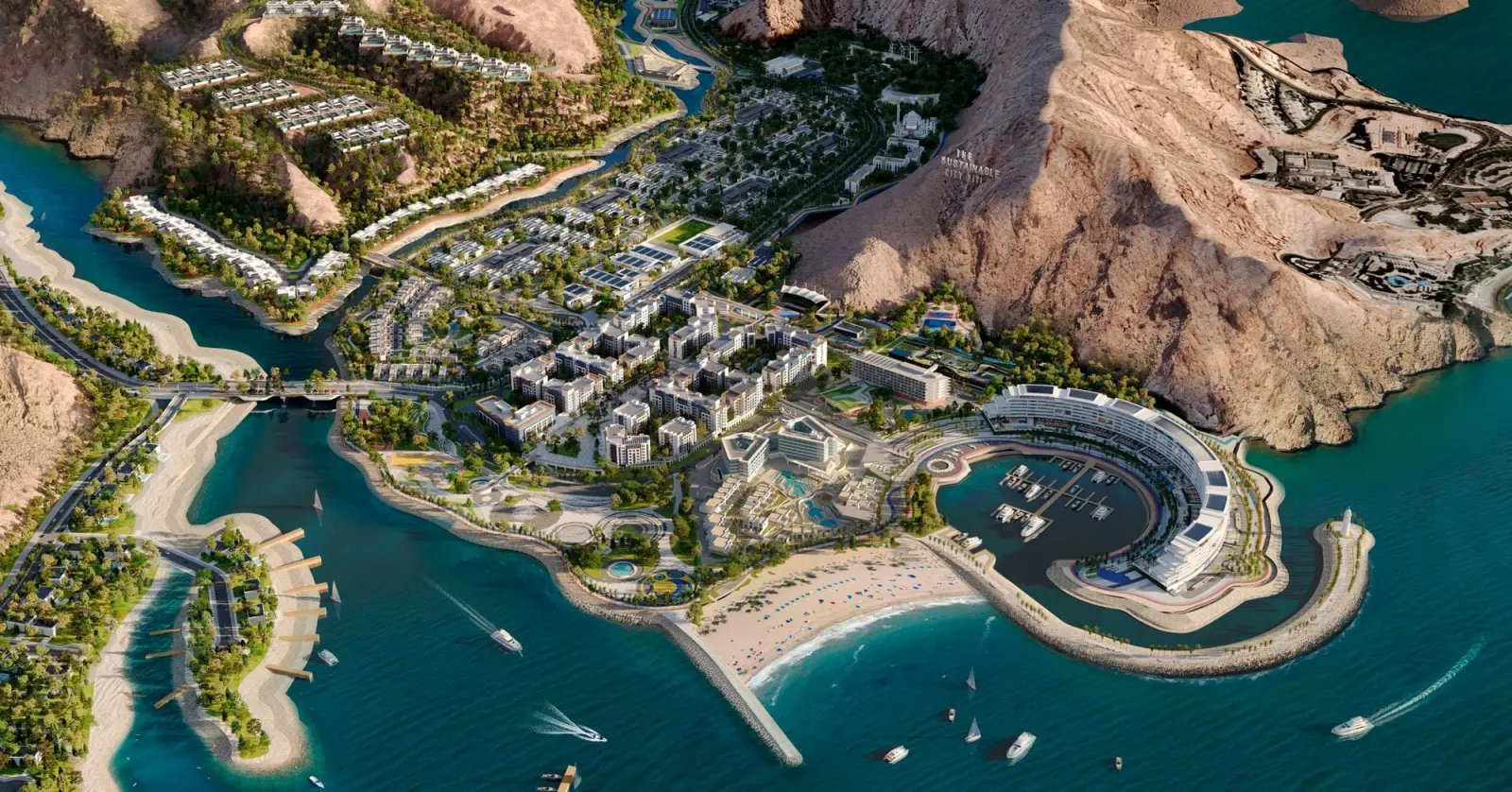
The Sustainable City Yiti is a fully integrated real estate development spanning 86 hectares in the coastal Yiti area, about 30 kilometres from central Muscat and overlooking the Gulf of Oman. The project is developed by the Sustainable Development and Investment Company (SDIC), a partnership between Diamond Developers — the developer behind The Sustainable City in Dubai — and the government-owned Omran Group.
What sets the city apart is its design to be net-zero emissions by 2040, with facilities powered by solar energy, zero service charges for owners, and savings of up to 100% on electricity bills and up to 50% on water.
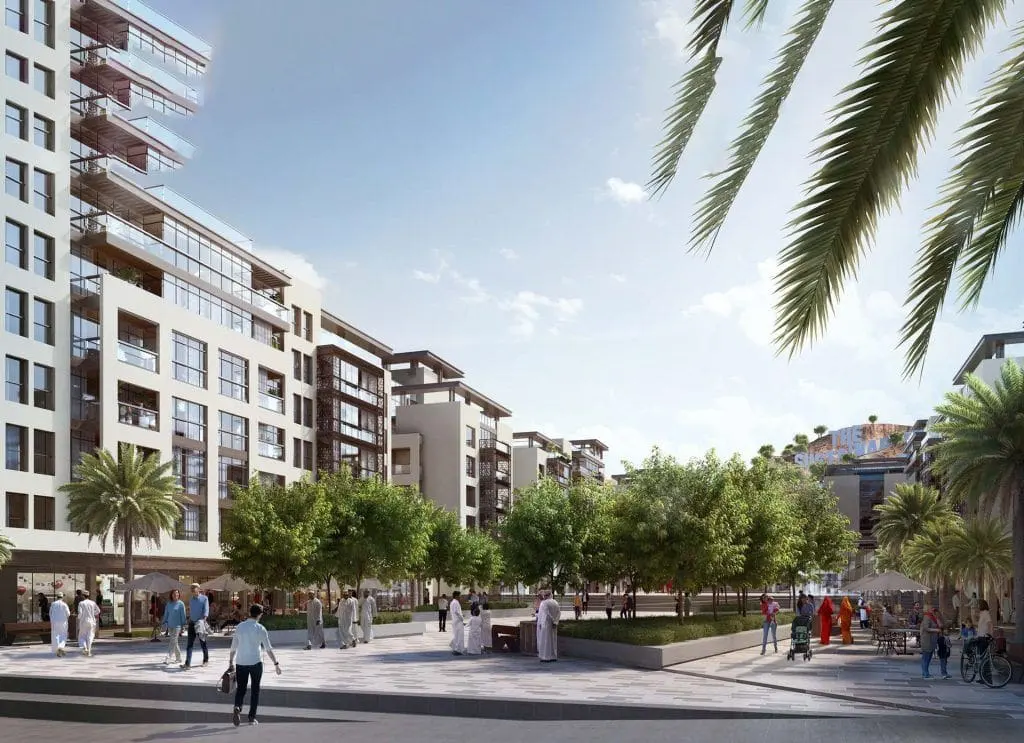
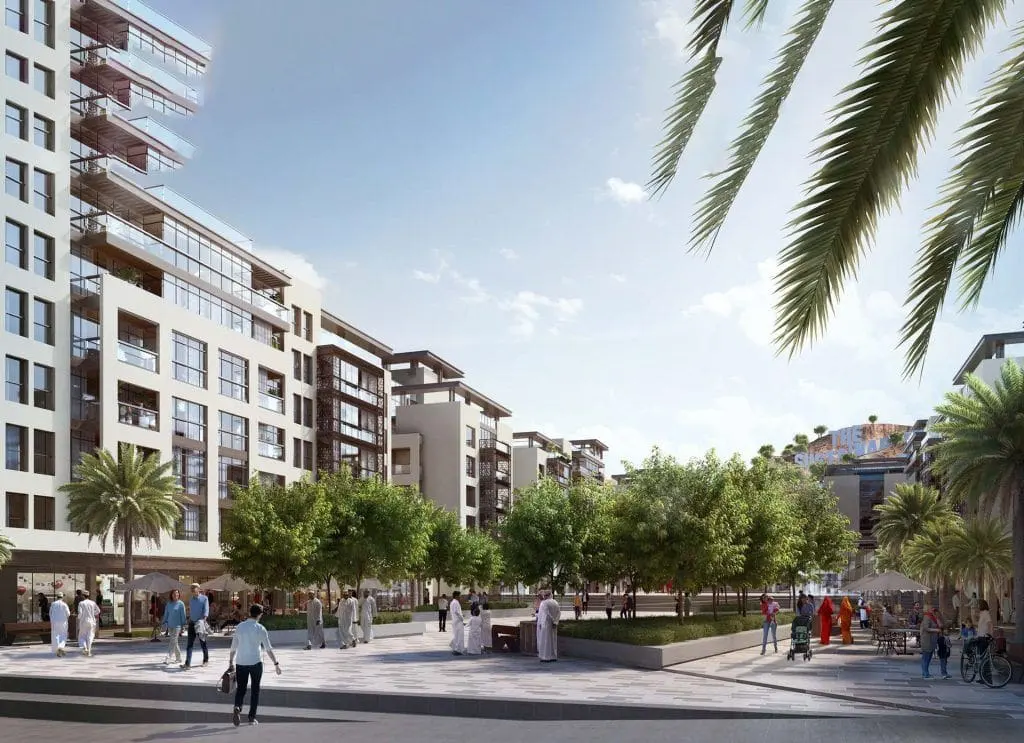
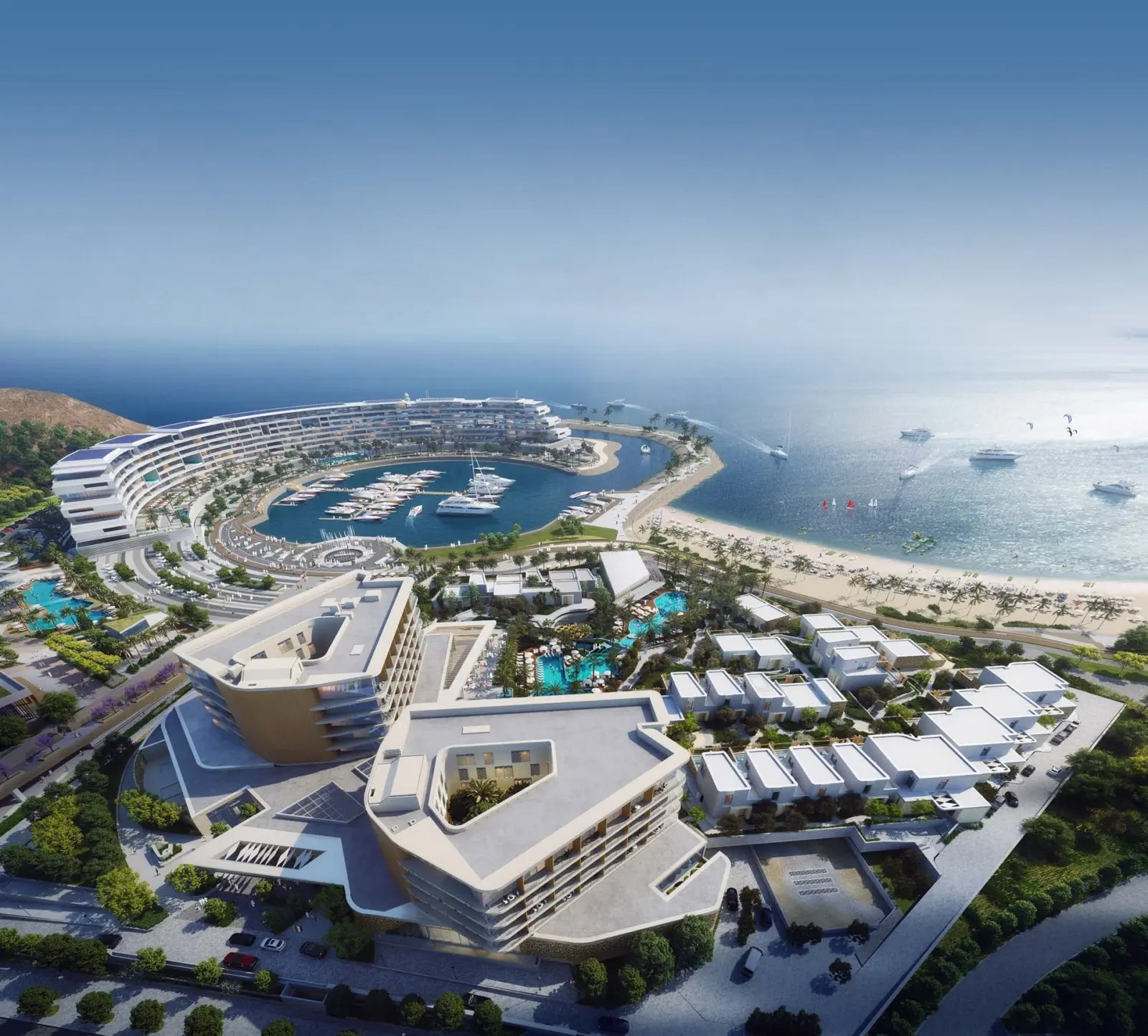
The city includes a 5-star Nikki Beach resort, a 4-star hotel, schools and nurseries, a health centre and a sports complex, an equestrian club, an autism centre, and walking and cycling trails within car-free zones.
Most importantly for this guide: Yiti is classified as an Integrated Tourism Complex (ITC), the designation that permits full freehold ownership for foreigners — and this is the foundation the rest of this guide builds on.
Why Do Foreigners Choose Freehold Ownership in Oman?
Under Omani law, a foreigner cannot purchase property anywhere; ownership is restricted to government-approved Integrated Tourism Complexes (ITCs), and Yiti is one of them. Within these complexes, the buyer receives full freehold ownership, granting the right to use, sell, lease and bequeath the property — exactly like any Omani owner.
What Is the Difference Between Freehold and Usufruct?
• Freehold: permanent ownership of the unit and the land within Integrated Tourism Complexes, with the right to sell, lease and bequeath. This is what The Sustainable City Yiti offers.
• Usufruct: a long-term right to use property, extending up to 99 years (renewable) without owning the land, typically available outside ITCs under Ministerial Decision 357/2020.
For most foreign investors, freehold ownership within an Integrated Tourism Complex remains the clearest and safest option, as it can be registered in the foreigner's name and is linked to residency rights.
Residency in Oman Through Property Ownership
Buying a freehold property within Yiti does not just give you a home — it opens a pathway to residency in Oman for you and your immediate family (spouse and children).
It is important to clarify a commonly misunderstood fact: Oman does not grant literal "permanent residency" or citizenship in exchange for buying property, but it does grant long-term, renewable residency tied to the continued ownership of your property.
The Two Main Pathways to Property-Linked Residency
Renewable Owner ResidencyUpon acquiring a freehold unit within an Integrated Tourism Complex, the owner becomes eligible for residency renewed every two years, for as long as they retain ownership of the property.
Investor Visa (Golden Residency)Under the thresholds in effect through 2026, a real estate investment of no less than OMR 250,000 within an Integrated Tourism Complex qualifies the investor for a 5-year renewable investment residency, while higher investment tiers grant longer residency periods. Residency remains valid as long as the property is owned by the investor and its original value is maintained.
In both cases, immediate family members (spouse and children) can be included in the residency — a key advantage for families seeking long-term stability in a safe environment.
Real Estate Investment in Yiti: Returns & Advantages
• Strong rental returns: rental yields in central Muscat areas range from approximately 6% to 9% annually, supported by a housing supply shortage and rising demand.
• Low-tax environment: there is currently no personal income tax, capital gains tax, or inheritance tax — noting that a personal income tax framework for high earners is scheduled to take effect in 2028.
• Competitive ownership fees: the property transfer fee for foreign buyers stands at 3% (following a reduction in early 2025), plus legal and registration fees of approximately 1–2%.
• Buyer protection on off-plan sales: escrow accounts are mandatory in Oman, so the developer only receives funds according to actual project progress.
• Sustainability as added value: zero service charges and energy and water savings lower the long-term cost of ownership and increase the unit's appeal for rental and resale.
• Alignment with Oman Vision 2040: the project is part of the country's push toward economic diversification and tourism, supporting expectations of value growth.
Unit Types & Prices at The Sustainable City Yiti
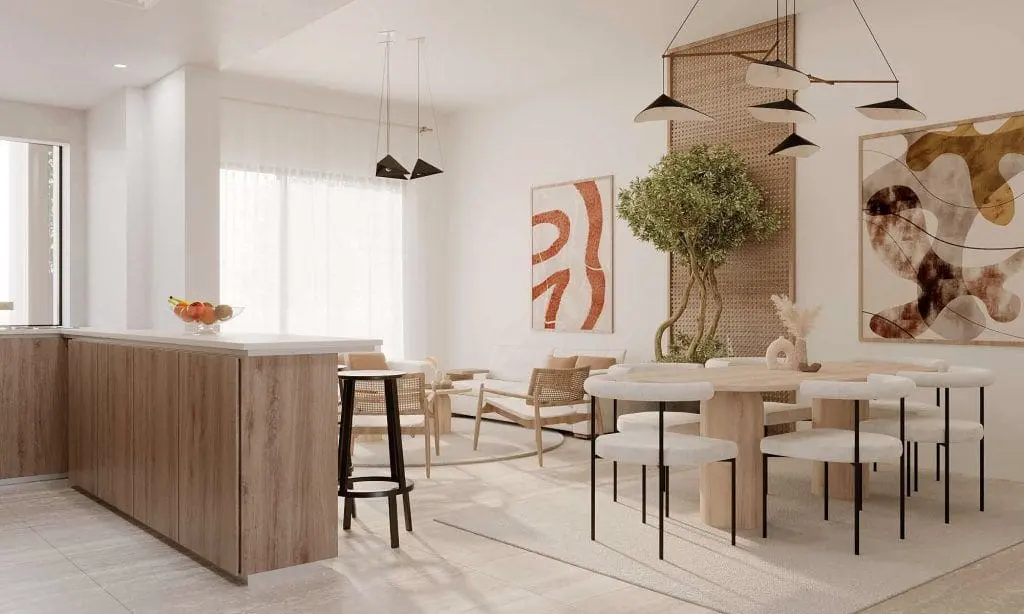
• Apartments: from 1-bedroom to 3-bedroom units, with areas starting at around 78 sqm and prices starting from approximately OMR 86,000.
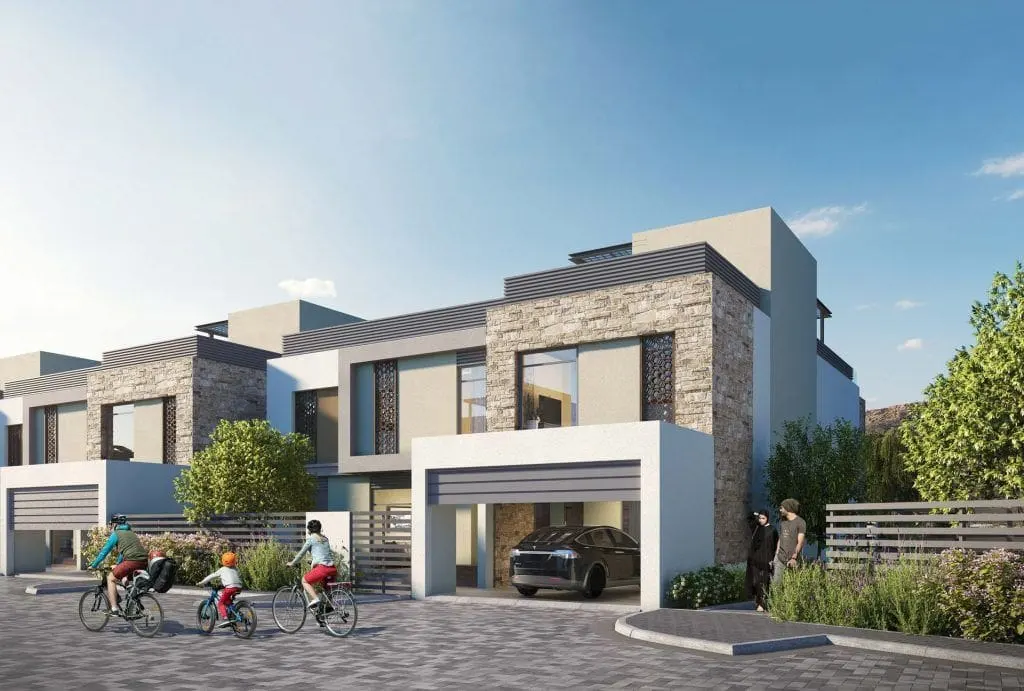
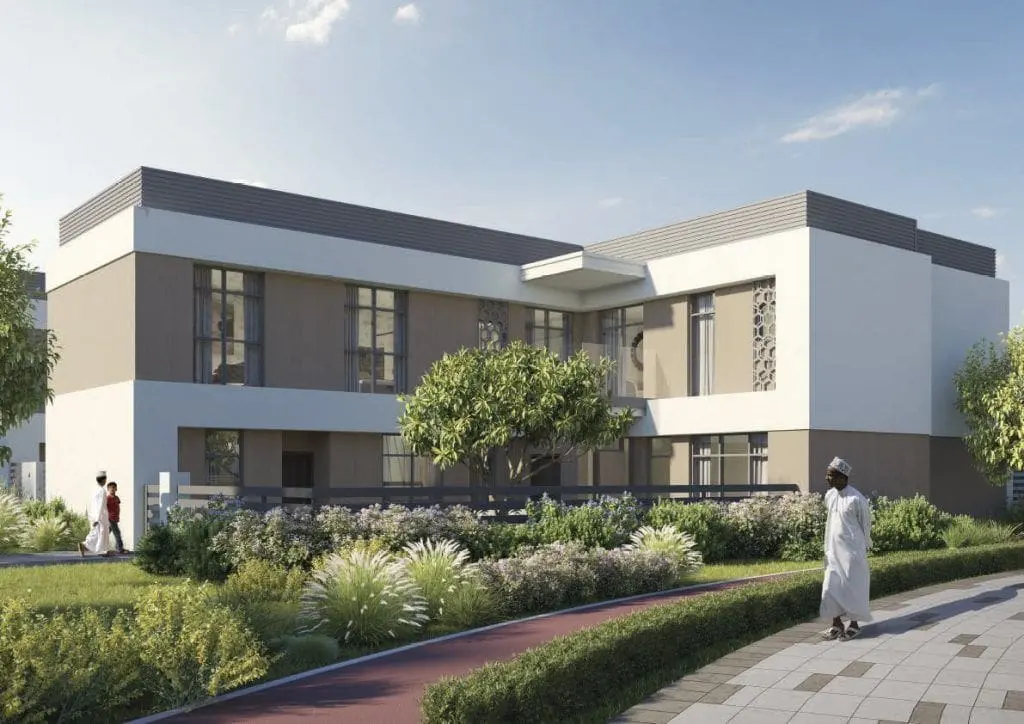
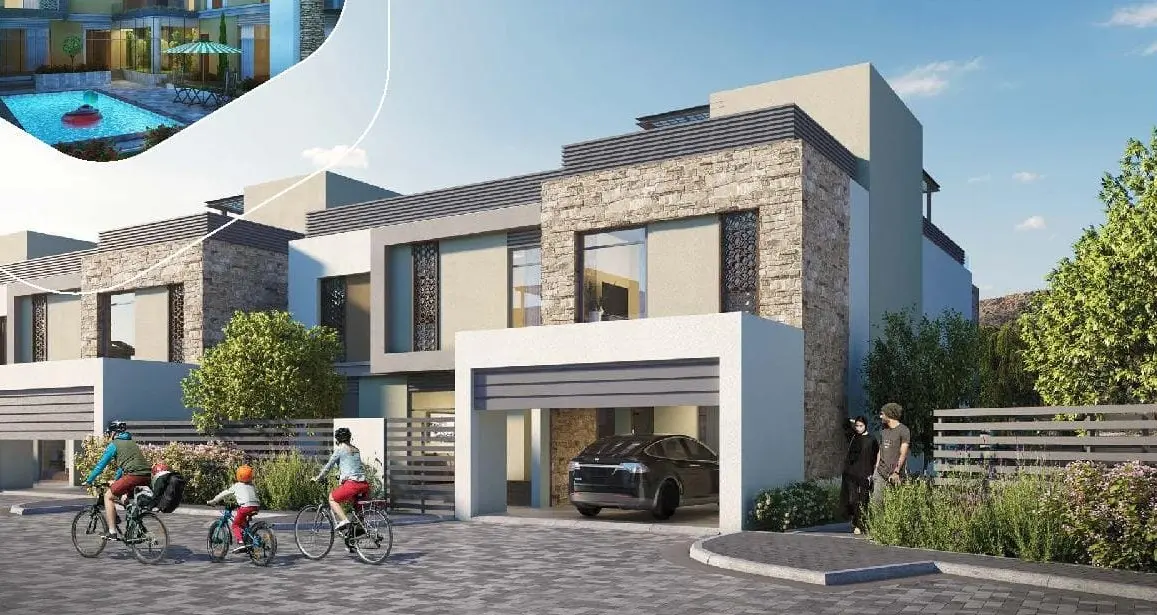
• Courtyard Villas (3 and 4 bedrooms): spacious layouts with an internal courtyard, priced from approximately OMR 239,000.
• Garden Villas (4 bedrooms): luxury villas with private gardens and distinctive views, priced from approximately OMR 456,000.
For those aiming to exceed the OMR 250,000 threshold required for the investor visa, villas and some larger apartments represent the most suitable option.
Steps to Purchase & Own Property as a Foreigner in Oman
1. Select a unit within an approved Integrated Tourism Complex (such as The Sustainable City Yiti).
2. Sign a memorandum of understanding/reservation and pay the initial deposit according to the agreed payment plan.
3. Sign the final sale contract, ensuring funds are deposited into an approved escrow account that protects the buyer on off-plan purchases.
4. Pay the property transfer fee (3%) plus legal and registration fees (approximately 1–2%).
5. Complete the property registration process in the buyer's name with the relevant official authorities.
6. If residency is a goal, apply for owner residency or the investor visa after completing ownership, verifying current requirements with the Royal Oman Police and the Ministry of Housing and Urban Planning.
For the latest details on available units, payment plans, and viewing appointments, contact us directly.
Frequently Asked Questions About The Sustainable City Yiti
Can foreigners get freehold ownership at The Sustainable City Yiti?
Yes, Yiti is classified as an Integrated Tourism Complex (ITC), enabling 100% freehold ownership for foreigners with the right to use, sell, lease and bequeath the property.
Does buying property in Yiti grant permanent residency or citizenship?
No, Oman does not grant literal permanent residency or citizenship for buying property, but it grants long-term residency renewable every two years, or a 5-year investor visa, tied to continued property ownership.
What is the minimum investment for the investor visa?
OMR 250,000 as a minimum within an Integrated Tourism Complex, under the thresholds in effect through 2026; higher tiers grant longer residency periods.
What is the difference between freehold and usufruct in Oman?
Freehold is permanent ownership of the unit and land within Integrated Tourism Complexes, while usufruct is a long-term right to use property for up to 99 years without owning the land, typically available outside these complexes.
What are the starting prices for units in Yiti?
Apartments start from approximately OMR 86,000, Courtyard Villas from around OMR 239,000, and Garden Villas from around OMR 456,000.
What rental yield can I expect in Yiti?
Rental yields in central Muscat areas range from approximately 6% to 9% annually — a target rate, not a guaranteed return.
Is my money protected when buying off-plan?
Yes, escrow accounts are mandatory in Oman, and the developer only receives buyer funds according to actual project completion stages.
What are the property purchase fees in Yiti?
A 3% property transfer fee for foreign buyers, plus legal and registration fees of approximately 1–2% of the property value.
Conclusion
The Sustainable City Yiti is a fully integrated real estate development on 86 hectares in the coastal Yiti area of Muscat, offering foreigners 100% freehold ownership within an Integrated Tourism Complex (ITC), with two residency pathways: renewable owner residency every two years, or a 5-year investor visa from an investment of OMR 250,000 or more.
Apartment prices start from approximately OMR 86,000, Courtyard Villas from OMR 239,000, and Garden Villas from OMR 456,000, with expected rental returns between 6% and 9% annually, a low-tax environment, and competitive ownership fees (3%).
Omani law protects the buyer through mandatory escrow accounts on off-plan purchases, while residency conditions and financial thresholds remain subject to updates by official authorities — so it is always advisable to verify the latest regulations before making a decision.
For the latest available units, prices, and payment plans, contact us directly.